Spain Recognizes Catalonia’s CERCA Research System at 2025 National Research Awards for Advances in CAR T and Synthetic Biology
Recognition highlights progress in molecular biology, synthetic biology, and in-house CAR T therapy development for Acute Lymphoblastic Leukaemia.
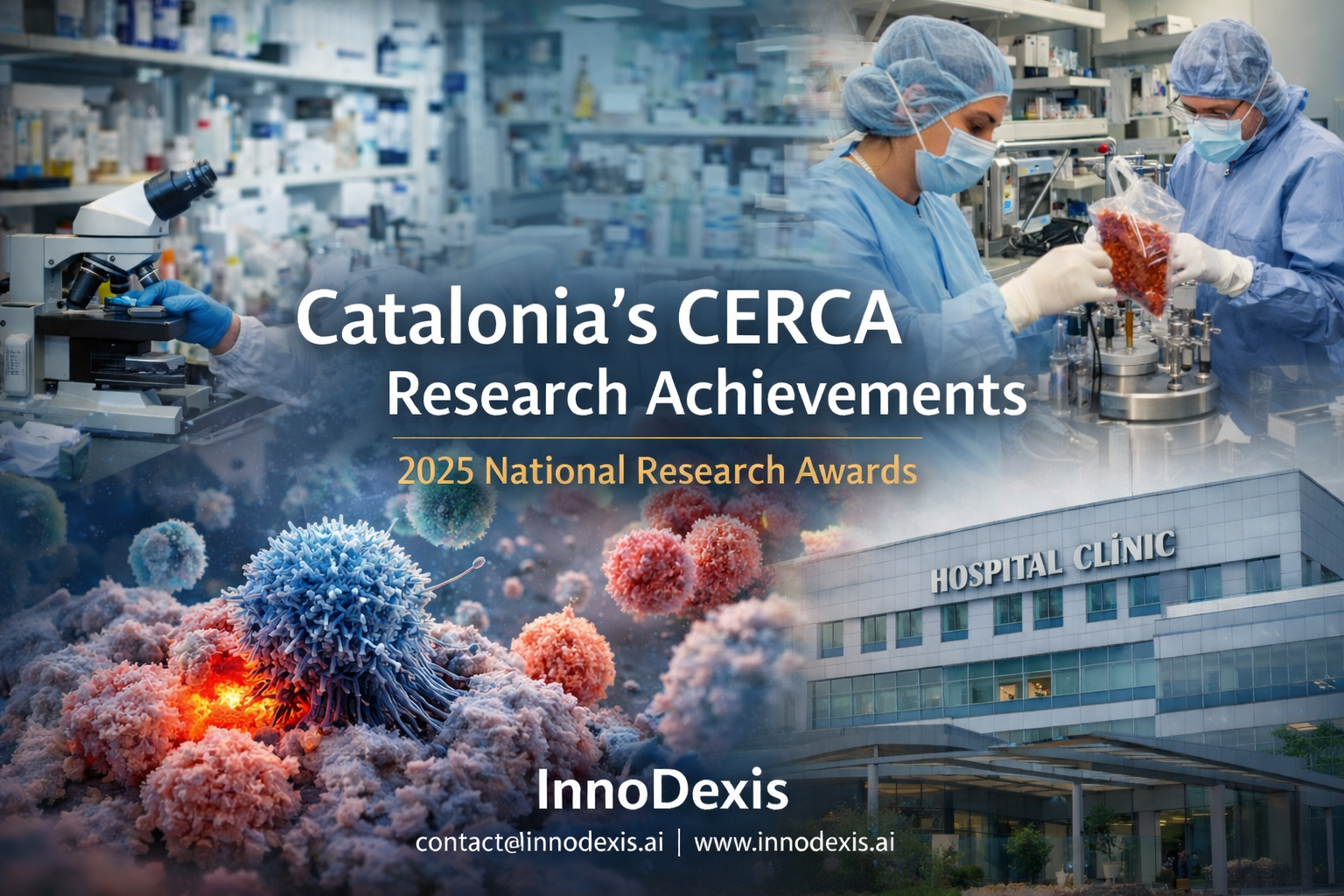
Spain’s 2025 National Research Awards formally recognized the excellence of Catalonia’s CERCA research system, underscoring its strategic contribution to biotechnology, oncology, and advanced therapeutic development. The distinction reflects achievements in molecular biology, systems biology, synthetic biology, and the development of an in-house CAR T therapy for patients with Acute Lymphoblastic Leukaemia who previously had no remaining treatment options.
The recognition positions Catalan research institutions as key contributors to medicine development and translational oncology at a national level.
Key Recognitions and Scientific Contributions
The awards acknowledged the scientific leadership of Luis Serrano, recognized for pioneering contributions in molecular biology, systems biology, and synthetic biology. His work has advanced understanding in protein design and enabled new approaches to therapeutic development.
A major highlight was the ARI Project, which led to the development of an in-house CAR T therapy for patients diagnosed with Acute Lymphoblastic Leukaemia who had exhausted other treatment options. This achievement represents a significant translational milestone, demonstrating the capacity of local research ecosystems to develop advanced cellular therapies within a public research framework.
The recognized research also includes progress in protein design and synthetic biology, areas that are increasingly central to next-generation medicine development. These scientific advances are contributing to the development of medicines and advanced cancer therapies, with particular relevance to hematologic oncology.
Institutions involved in the recognized efforts include Hospital Clínic de Barcelona, IDIBAPS, Centre for Genomic Regulation, and the Catalan Foundation for Research and Innovation. Together, these organizations represent a coordinated research infrastructure supporting biomedical discovery and clinical translation.
Strategic Significance for Biotechnology and Oncology
The recognition of the CERCA system at the national level reflects the growing structural importance of integrated research networks in driving therapeutic innovation. Advances in synthetic biology and protein design indicate a shift toward more precise, engineered approaches to medicine development. These fields enable targeted intervention strategies that are particularly relevant in oncology and complex diseases.
The development of an in-house CAR T therapy through the ARI Project further illustrates the increasing capability of research institutions to move beyond discovery and into clinical-grade therapeutic development. By creating a treatment option for patients with Acute Lymphoblastic Leukaemia who had no remaining alternatives, the project demonstrates how advanced research infrastructures can directly translate into patient-impacting therapies.
Collectively, the awarded work reinforces the role of Catalonia’s research ecosystem as a structured, collaborative model linking laboratory science, translational research, and hospital-based clinical application. It also signals Spain’s broader commitment to strengthening its biotechnology and advanced therapy landscape through coordinated institutional frameworks.
Implications for Medicine Development and Research Ecosystems
The recognition of molecular biology, synthetic biology, and CAR T therapy development at the 2025 National Research Awards highlights the increasing convergence of engineering principles and life sciences in therapeutic innovation. Protein design and systems biology are becoming foundational tools in the development of new medicines, enabling more systematic approaches to disease intervention.
For oncology research, the progress acknowledged in Acute Lymphoblastic Leukaemia treatment pathways indicates expanding institutional capability in advanced cellular therapies. The collaboration between hospital systems and research centers underscores the importance of integrated translational environments in accelerating therapy development.
At a systemic level, the CERCA model demonstrates how regional research networks can operate as cohesive innovation platforms. The coordinated involvement of hospitals, genomic research centers, and research foundations reflects a structured approach to biomedical advancement that supports both scientific discovery and clinical deployment.
Conclusion
Spain’s recognition of Catalonia’s CERCA research system at the 2025 National Research Awards highlights sustained progress in biotechnology and oncology innovation. From protein design and synthetic biology to the development of in-house CAR T therapy for Acute Lymphoblastic Leukaemia, the awarded research reflects a research ecosystem capable of translating advanced science into therapeutic pathways.
As medicine development increasingly depends on interdisciplinary integration, Catalonia’s research framework offers a case study in coordinated innovation. Continued observation of developments emerging from this ecosystem will provide further insight into the evolving structure of advanced therapeutic research in Europe.
About Innodexis
InnoDexis is a global Innovation Intelligence platform that tracks, analyzes, and interprets breakthrough innovations, prototypes, and emerging technologies across industries and countries. Its intelligence helps corporates, investors, and policymakers understand the true structure and direction of global innovation. Learn more at innodexis.ai.